The war of words between Marco Rubio and Ted Cruz intensified as the two sparred over their positions on the 2013 immigration reform bill, with Rubio’s team orchestrating a strategic effort to cast Cruz as an unreliable flip-flopper on the issue. While Cruz’s initial response was slow, he sees a way to recover, with his campaign believing the exchange ultimately shifts focus to Rubio’s past support for the controversial Gang of Eight bill. Cruz’s advisers contend that Rubio’s vote on immigration will likely become a liability, particularly in Iowa and beyond, as conservative voters scrutinize his record.
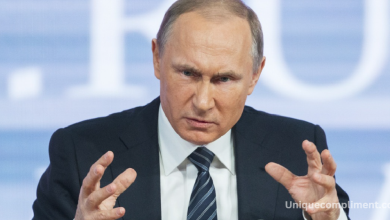
Meanwhile, Donald Trump continues to generate headlines with his unorthodox approach to foreign policy. His praise for Russian President Vladimir Putin, who had all-but-endorsed Trump for president, has drawn sharp criticism. Trump’s remarks, which included downplaying Putin’s notorious actions—such as the killing of journalists—by suggesting the U.S. is equally culpable, have raised eyebrows. On “Morning Joe,” Trump dismissed concerns over Putin’s record by stating, “Our country does plenty of killing also,” a comment that further fuels the ongoing debate about his foreign policy views.
On the other side of the GOP race, Jeb Bush remains on the offensive against Trump, positioning himself as the grave, steady candidate who can withstand the chaos of the primaries. The Bush campaign released a video marking the seventh anniversary of Trump’s past comments praising both President Obama and Hillary Clinton, seeking to remind voters of Trump’s inconsistent political record.
As the primary season heats up, political donors and strategists like Sheldon Adelson are adopting a wait-and-see approach, observing how the field unfolds. Meanwhile, Hillary Clinton is focusing on her brand, aspiring to channel the influence of figures like Beyoncé, while Bernie Sanders faces a setback, losing access to a key campaign resource. The battle for the 2016 nomination continues to intensify, with each candidate positioning themselves for the long road ahead.
What Trump Said About Putin: A Controversial Relationship
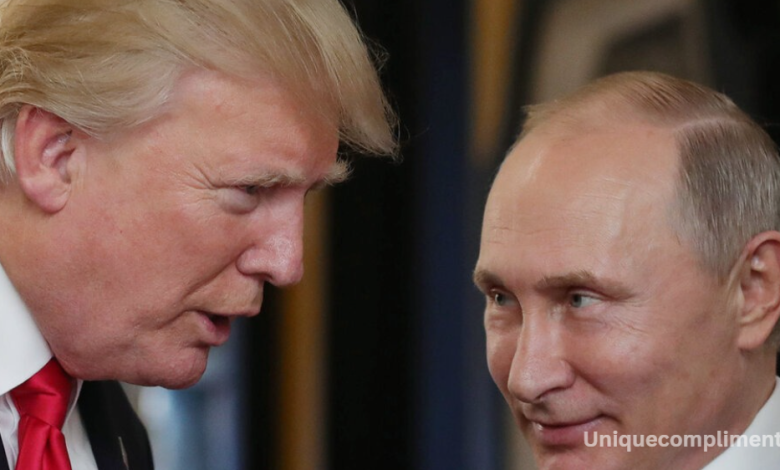
Former President Donald Trump’s relationship with Russian President Vladimir Putin has been a topic of intense scrutiny and debate since he first entered the political arena. Throughout his presidency and even after leaving office, Trump has made a series of statements that have drawn sharp criticism for their favorable tone toward Putin, despite Russia’s often antagonistic actions on the global stage. From downplaying Russian interference in U.S. elections to praising Putin’s leadership style, Trump’s comments have raised questions about his foreign policy approach, his views on democracy and autocracy, and his commitment to American allies.
Praising Putin’s Leadership
One of the most notable aspects of Trump’s comments about Putin is his repeated praise for the Russian leader’s style of governance. During his 2016 presidential campaign, Trump openly admired Putin as a “strong leader,” even calling him a “genius” in the early months of his candidacy. In a 2015 interview with Fox News’s Bill O’Reilly, Trump remarked, “I think he’s a leader, unlike what we have in this country.” This sentiment continued throughout his presidency, where Trump often contrasted Putin’s leadership favorably against that of American politicians, including former President Barack Obama.
Trump’s admiration for Putin extended beyond mere personal compliments. He frequently emphasized the idea that better relations with Russia could benefit the U.S., arguing that improving diplomatic ties with the Kremlin would help in addressing global challenges such as terrorism, nuclear proliferation, and economic cooperation. In one of his more controversial remarks, Trump suggested in a 2017 interview with The Wall Street Journal that he would prefer to “get along” with Russia, even if it meant being less critical of Putin’s domestic and foreign policies.
Downplaying Putin’s Malfeasance
Perhaps the most inflammatory aspect of Trump’s rhetoric about Putin involves his tendency to downplay or dismiss Russian actions that have sparked outrage in the West. Trump’s comments on Russia’s annexation of Crimea in 2014 and its alleged interference in the 2016 U.S. presidential election were often seen as a refusal to hold the Russian government accountable.
In a 2016 NBC News interview, Trump referred to Russia’s annexation of Crimea as “not that big of a deal,” minimizing the breach of international law and the violent conflict that followed in eastern Ukraine. He also repeatedly questioned the findings of U.S. intelligence agencies regarding Russian interference in the 2016 election, often suggesting that the evidence was inconclusive or that Russia’s actions were no worse than those of other nations. In a 2018 press conference with Putin in Helsinki, Trump made headlines for siding with Putin over his own intelligence community, stating, “I don’t see any reason why it would be Russia” that interfered in the election, despite overwhelming evidence from U.S. intelligence agencies.
Perhaps the most controversial of Trump’s comments came in 2020 during an interview with Morning Joe. When asked about the numerous journalists and political opponents who had died under suspicious circumstances in Russia, Trump responded, “Our country does plenty of killing also.” This remark, which downplayed the severity of Putin’s crackdown on dissent and political opposition, was widely condemned as an equivocation that overlooked the difference between a democracy and an authoritarian regime like Putin’s Russia.
May you also like it:
Beyoncé Took Time During Her Concert to Compliment Two Women’s Afros
Signs You’re Dealing With a Passive-Aggressive Person Meaning
World Battlefronts The Generals Compliments
Putin’s “Support” for Trump
In addition to his favorable assessments of Putin’s leadership, Trump has often referred to the Russian president’s perceived support for his political career. Putin has, on occasion, made statements that seemed to suggest a preference for Trump over his political rivals, further fueling the narrative of a close relationship between the two leaders.
In 2016, when Trump was a candidate, Putin remarked that he had “a very good relationship” with Trump, and Trump returned the sentiment by claiming that Putin had “respected” him. As president, Trump often cited Putin’s compliments as evidence of his success in foreign diplomacy, though these remarks were typically met with skepticism from both domestic and international critics who feared that Trump was being too accommodating to an adversarial power.
Trump’s praise for Putin reached its peak during the 2020 election cycle when Putin appeared to offer tacit support for Trump’s re-election campaign. In public statements, Putin refrained from openly endorsing any candidate, but his favorable comments about Trump’s approach to Russia—coupled with the Trump administration’s repeated efforts to improve U.S.-Russia relations—created the impression of a mutual admiration.
The Fallout and Ongoing Debate
Trump’s effusive praise of Putin and his reluctance to confront Russian aggression head-on have prompted significant backlash, particularly from his political opponents. Critics argue that Trump’s stance on Russia undermined U.S. democratic values and emboldened an authoritarian regime that has repeatedly clashed with the West. His refusal to criticize Putin for his human rights abuses, military interventions, and interference in Western democracies stood in stark contrast to the traditionally hardline stance the U.S. had maintained toward Russia.
On the global stage, Trump’s comments raised alarm among U.S. allies, who viewed his approach to Russia as dangerously naive and potentially destabilizing. Countries like Ukraine, whose sovereignty was directly threatened by Russian actions, voiced concern that Trump’s admiration for Putin could lead to weakened international support for their defense.
Within the U.S., Trump’s comments also became a point of contention in his impeachment proceedings. In 2019, Trump was impeached for abuse of power after allegedly pressuring Ukrainian President Volodymyr Zelensky to launch an investigation into Joe Biden and his son. Critics of Trump argued that his approach to Ukraine was part of a broader pattern of prioritizing Russian interests over American ones.
Even after leaving office, Trump has continued to defend his past interactions with Putin, expressing a belief that better relations with Russia were ultimately in the U.S. national interest. However, as tensions between Russia and the West have escalated, particularly with Russia’s invasion of Ukraine in 2022, Trump’s previous comments have come under renewed scrutiny. While he has maintained that his friendly rhetoric toward Putin was part of his broader strategy to avoid conflict, many question whether such an approach inadvertently contributed to the rise of global instability.
Frequently Asked Questions
What did Donald Trump say about Vladimir Putin during his presidency?
Trump often praised Putin’s leadership, calling him a “strong leader” and even a “genius.” He believed that improving U.S.-Russia relations could benefit America on global challenges.
Why did Trump praise Putin so much?
Trump admired Putin’s strong leadership and sought better diplomatic relations with Russia. He believed this approach would help address issues like terrorism and nuclear proliferation.
Did Trump ever criticize Putin?
Trump occasionally criticized Putin’s actions, such as the annexation of Crimea. However, his criticisms were often overshadowed by his general admiration for Putin’s leadership style.
What did Trump say about Putin’s actions, such as killing journalists and political opponents?
Trump dismissed concerns about Putin’s human rights record, even saying, “Our country does plenty of killing also.” This remark caused outrage for seeming to equate U.S. actions with Putin’s authoritarianism.
Did Putin ever endorse Trump?
Putin never formally endorsed Trump but often praised him, calling him a “talented person.” Trump highlighted these remarks as evidence of a successful diplomatic relationship.
How did Trump’s comments on Putin affect U.S. foreign policy?
Trump’s praise for Putin created tension with U.S. allies, especially in Europe. His reluctance to confront Russia raised concerns about the U.S. commitment to democracy and global security.
What was the reaction to Trump’s praise of Putin during the 2016 election?
Trump’s praise for Putin was met with criticism from both parties, who viewed it as naive and potentially harmful. Critics feared it would weaken U.S. defense against Russian interference in global affairs.
How did Trump’s comments about Putin impact his impeachment?
Trump’s positive rhetoric about Putin became a point of contention in his impeachment. Critics argued his actions prioritized Russian interests over American national security.
Conclusion
Donald Trump’s comments about Vladimir Putin have been a central and contentious aspect of his political legacy. Trump’s repeated praise for Putin, coupled with his reluctance to criticize Russia’s aggressive actions, sparked significant controversy both during his presidency and beyond. While Trump framed his approach as a strategic effort to improve U.S.-Russia relations, critics argue that his favorable rhetoric emboldened an authoritarian regime and undermined American values like democracy, human rights, and international norms. As global tensions, particularly with Russia’s invasion of Ukraine, continue to evolve, Trump’s stance on Putin remains a topic of ongoing debate, with lasting implications for U.S. foreign policy and his own political identity.