A young female lawyer in the U.K. is facing significant backlash after confronting a senior attorney over a comment he made about her LinkedIn photo.
The incident began when Charlotte Proudman, a 27-year-old barrister, sent a connection request to Alexander Carter-Silk, a 57-year-old senior solicitor. In response, Carter-Silk complimented her “stunning picture,” remarking that it would “definitely win the prize for the best LinkedIn picture I have ever seen.”
Proudman, however, found the comment to be inappropriate and described it as an example of “unacceptable and misogynistic behavior.” She argued that focusing on her appearance detracted from her professional capabilities, reducing her identity to her looks rather than her qualifications and achievements.
The exchange has sparked a wider conversation about gender dynamics and the treatment of women in professional spaces.
Charlotte Proudman Under Fire for Tweeting Sexist Comment
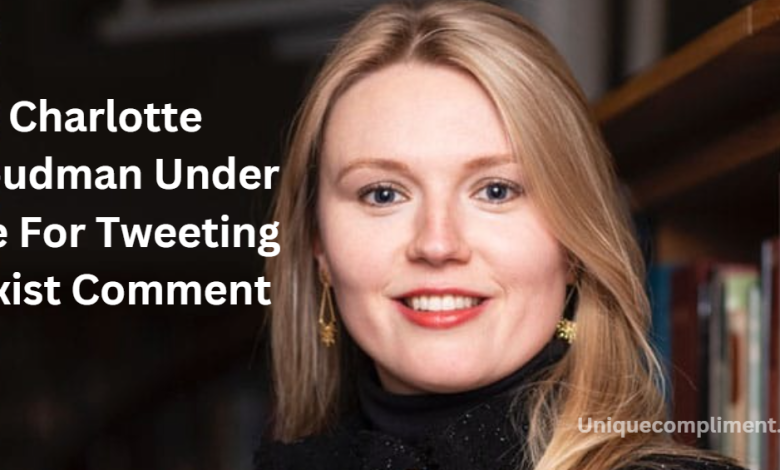
Charlotte Proudman, a prominent 27-year-old barrister from the U.K., is facing intense criticism after a tweet she posted about a senior solicitor’s comment on her LinkedIn photo sparked a heated debate about sexism in professional settings.
Proudman, who had connected with Alexander Carter-Silk, a 57-year-old senior solicitor, on LinkedIn, shared an exchange in which Carter-Silk complimented her appearance, describing her profile picture as “stunning” and saying it would “definitely win the prize for the best LinkedIn picture I have ever seen.” Proudman, who found the comment inappropriate, called it “unacceptable and misogynistic behavior,” and claimed that it objectified her by focusing on her physical appearance rather than her professional qualifications.
In response to the incident, Proudman took to Twitter, sharing a screenshot of the message along with her criticism of Carter-Silk’s remark. “This is exactly the kind of behavior that silences women in the workplace,” she wrote, claiming that such comments diminish women’s professional attributes and reduce them to their looks.
May you also like it:
Stop Calling My Daughter Pretty Compliment
While Proudman’s comments were widely supported by many who argue that women often face objectification in the workplace, others have taken issue with her response, accusing her of overreacting. Critics argue that Carter-Silk’s intention may have been to compliment her, and that Proudman’s reaction to the comment could be seen as overly sensitive or even “too quick to label someone as sexist.”
The controversy has sparked a broader discussion about the line between compliment and objectification, with some questioning whether expressions of admiration for someone’s appearance can ever indeed be separate from professional dynamics. On the other hand, supporters of Proudman’s stance point out that women often face microaggressions that undermine their credibility and professional standing, even in seemingly harmless situations.
Carter-Silk, who has not publicly apologized for his comment, expressed regret over the way his message was received but insisted that he meant no harm. “I only meant to offer a compliment,” he said in a statement. “I did not intend to offend anyone. I apologize if my words were taken the wrong way.”
This incident highlights the ongoing challenges women face in male-dominated professions, where sexism and gender-based stereotyping continue to be persistent issues. While Proudman’s critics believe she may have misinterpreted the comment, many argue that it’s crucial to listen to women’s concerns about how their appearance often overshadows their professionalism.
As the debate continues, it raises crucial questions about the balance between professional conduct and personal expression and the broader cultural shifts needed to foster truly inclusive and respectful environments in the workplace.
Frequently Asked Questions
What started the controversy surrounding Charlotte Proudman?
The controversy began when Charlotte Proudman, a 27-year-old barrister, shared a message on Twitter about a senior solicitor, Alexander Carter-Silk, who had complimented her LinkedIn profile picture. He described her picture as “stunning” and praised it as “the best LinkedIn picture I have ever seen.” Proudman responded to the comment by labeling it as “unacceptable and misogynistic behavior,” sparking an intense debate.
Why did Charlotte Proudman call the comment ‘misogynistic’?
Proudman described the compliment as misogynistic because she felt that focusing on her physical appearance rather than her professional skills or accomplishments undermined her qualifications. She argued that comments about women’s looks often overshadow their professional abilities and contribute to a culture of objectification in the workplace.
What did Charlotte Proudman tweet about the incident?
Proudman tweeted a screenshot of the LinkedIn exchange with Carter-Silk, accompanied by her criticism of his comment. She stated that such remarks “silence women in the workplace” and reduce them to their appearance rather than recognizing their professional worth.
What was the response to Proudman’s tweet?
The tweet sparked a mixed response. Many supported Proudman, agreeing that comments on women’s appearance are often inappropriate in professional settings. Others, however, criticized her for overreacting, arguing that Carter-Silk’s compliment was harmless and not intended to offend. Some claimed that Proudman’s reaction was excessive and that she was too quick to label the comment as sexist.
Did Alexander Carter-Silk respond to the backlash?
Carter-Silk responded to the controversy by expressing regret over how his message was received, stating that he had not intended to offend Proudman. He clarified that his comment was meant as a compliment, not an insult, and apologized if it was interpreted in any negative way.
What does this incident say about gender dynamics in the workplace?
The incident highlights ongoing concerns about sexism and the objectification of women in professional environments. It raises important questions about how compliments, even well-meaning ones, can reinforce gendered stereotypes and diminish women’s professional standing. Supporters of Proudman argue that it’s crucial to address these issues to create more inclusive and respectful workplaces.
Was Charlotte Proudman justified in her response?
Whether Proudman was justified in her response is a matter of debate. Supporters argue that women frequently face subtle forms of discrimination and objectification, which can undermine their professional credibility. Critics contend that Proudman’s reaction may have been an overreaction to what was simply a compliment. Ultimately, the incident has sparked a broader conversation about the boundaries between professional conduct and personal expression.
What broader issues does this controversy touch on?
This controversy touches on several broader issues, including workplace equality, the treatment of women in professional spaces, and the fine line between compliments and objectification. It also brings attention to the cultural challenges women face when striving to be recognized for their skills and accomplishments rather than their appearance.
Conclusion
The controversy surrounding Charlotte Proudman’s tweet about a senior solicitor’s comment on her LinkedIn photo underscores the complex dynamics of sexism in the workplace. Proudman’s response reflects a growing awareness of how women’s professional achievements can often be overshadowed by attention to their appearance, a phenomenon that many argue contributes to a broader culture of objectification.
While opinions on whether Proudman overreacted or was justified in her criticism remain divided, the incident has sparked important conversations about gender dynamics, respect, and the challenges women face in male-dominated professions. The debate highlights the need for a more nuanced understanding of professional interactions and the impact of seemingly harmless comments.